


Subtotal €0.00

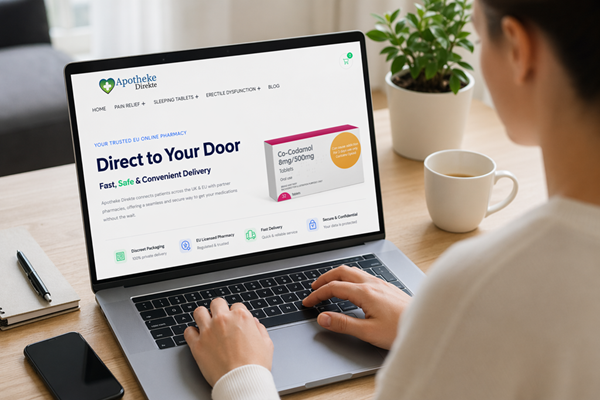
The rise of online pharmacies and digital health services has changed how people approach treatment. This shift is not only about convenience or speed. It reflects deeper psychological drivers that influence how individuals make decisions about their health.
Understanding these behaviours helps explain why more patients are choosing to manage prescriptions and treatments online, even when traditional options remain available.
Privacy and the Desire for Discretion
Health concerns are often personal, and in some cases, sensitive. Conditions such as sexual health issues, hair loss, weight management, or mental health concerns can carry a level of social discomfort.
Buying medication online removes the need for face-to-face conversations that some individuals may find difficult. It allows patients to explore treatment options privately, without the perceived judgement of others in a waiting room or at a pharmacy counter.
This sense of discretion often leads to earlier action. When barriers are lowered, patients are more likely to seek treatment rather than delay it.
Reducing stigma in healthcare decisions
Stigma remains a significant factor in healthcare avoidance. Even in modern settings, certain conditions still carry out-dated perceptions.
Digital platforms create a neutral space. There is no visible audience, no immediate reaction, and no pressure to explain personal circumstances in detail. This distance can make it easier for patients to address concerns they may otherwise ignore.
For many, the ability to act without feeling exposed is the deciding factor.
A greater sense of control
Traditional healthcare pathways can feel structured and time-limited. Appointments are brief, and decisions are often made quickly.
Online services shift that dynamic. Patients can:
- Read information at their own pace
- Compare treatment options carefully
- Revisit details before making a decision
This creates a stronger sense of ownership over health choices. When individuals feel in control, they are more confident in the decisions they make.
Decision fatigue and simplicity
Healthcare information can be overwhelming. In a clinical setting, patients may be asked to make decisions quickly, often while processing new or complex information.
Digital platforms tend to simplify this process. Structured questionnaires, clear treatment pathways, and guided recommendations reduce cognitive load.
Instead of navigating multiple choices at once, patients are led through a step-by-step process. This reduces decision fatigue and makes it easier to reach a conclusion without feeling overwhelmed.
The role of time and mental space
Modern life leaves little room for long appointments or waiting times. Beyond convenience, time pressure also affects mental clarity.
When decisions are rushed, they can feel reactive rather than considered. Online access allows patients to engage with their health when they are ready, not when a time slot is available.
This flexibility often results in more thoughtful and informed choices.
Trust in digital healthcare
Trust has grown alongside the development of regulated online pharmacies and licensed digital clinics in the UK. Clear information, professional oversight, and secure systems have helped reduce scepticism.
Patients are increasingly comfortable sharing information through digital platforms, particularly when the process is transparent and structured.
Consistency also plays a role. A reliable online experience builds familiarity, which strengthens confidence over time.
When digital care works best
Online medication services are particularly suited to:
- Repeat prescriptions
- Common conditions with established treatments
- Preventative or lifestyle-related care
However, they are not a replacement for all healthcare needs. Complex or urgent conditions still require in-person assessment.
Understanding when to use each option is part of making informed decisions.
Final thoughts
The move towards buying medication online reflects more than convenience. It highlights a shift in how people want to engage with healthcare.
Privacy, reduced stigma, greater control, and simpler decision-making all contribute to this change. As digital services continue to evolve, they are likely to play an even larger role in how patients manage their health.

Comments are closed