Subtotal €0.00

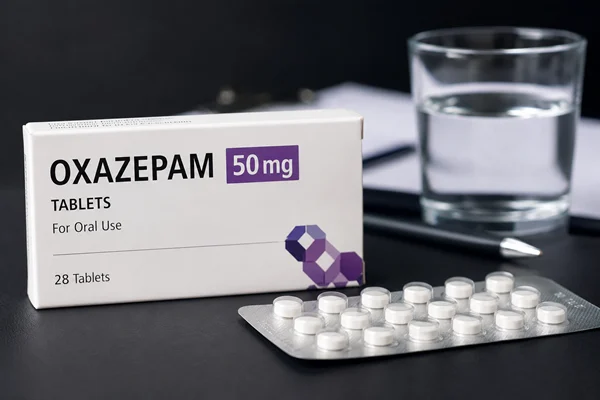
Abruptly stopping or significantly reducing alcohol consumption after a prolonged period of heavy drinking triggers a complex neurochemical reaction. This state, known as alcohol withdrawal syndrome, causes physical and psychological distress ranging from tremors and sweating to severe agitation and panic. Managing these acute symptoms safely is critical to prevent dangerous health complications. Among the clinical interventions used during medical detoxification, Oxazepam 50mg serves a vital role in restoring central nervous system balance.
Why Oxazepam is chosen for alcohol detoxification
Benzodiazepines are the standard medical intervention for mitigating alcohol withdrawal because they act on similar neurotransmitter pathways in the brain. However, not all benzodiazepines behave in the same manner. Oxazepam possesses unique pharmacological properties that make it particularly suitable for individuals undergoing alcohol detox:
1. Hepatic metabolism and safety
Chronic alcohol use frequently impairs liver function. Many benzodiazepines require complex multi-step processing in the liver, which can lead to drug accumulation and prolonged sedation in patients with hepatic compromise. Oxazepam undergoes direct glucuronidation in the liver without generating active secondary metabolites. This direct metabolic pathway ensures predictable clearance from the body, making it significantly safer for individuals with compromised liver performance.
2. Controlled and predictable onset
Oxazepam is absorbed more slowly into the bloodstream than faster-acting alternatives. This slower absorption profile reduces the rapid surge of sedation, lowering the risk of psychological dependence while still providing effective relief from acute agitation, severe tremors, and anxiety.
How Oxazepam 50mg alleviates acute symptoms
When alcohol intake ceases, gamma-aminobutyric acid (GABA) activity drops sharply while glutamate activity surges, leading to central nervous system hyperexcitability. Oxazepam 50mg binds to GABA receptors in the brain, enhancing natural inhibitory signalling to counteract this overstimulation.
During the detoxification process, Oxazepam 50mg helps to:
- Reduce severe physical tremors and involuntary shaking
- Calm acute anxiety, panic, and emotional distress
- Lower the risk of withdrawal-induced seizures and delirium tremens
- Promote rest and sleep during peak agitation periods
Timeline and duration of treatment
Alcohol withdrawal symptoms typically begin within 6 to 12 hours after the last drink and peak between 24 and 72 hours. Because Oxazepam 50mg reaches peak concentration in 2 to 3 hours with a duration of action lasting 6 to 8 hours, it offers reliable symptom coverage throughout the critical initial phases of detox.
Treatment programmes are kept short, usually lasting between 3 to 7 days, with dosages gradually reduced as physical stability returns.
Essential safety guidelines
While Oxazepam 50mg is a powerful therapeutic tool, responsible administration is vital:
- Never combine with alcohol: Taking Oxazepam while continuing to drink alcohol creates severe central nervous system depression, which can cause respiratory failure or loss of consciousness.
- Short-term use only: The medication is intended exclusively for acute withdrawal management and must not be used long term.
- Medical supervision: Dosage adjustments must be tailored to individual symptom severity to ensure a safe detoxification process.
For those seeking high-quality pharmaceutical supplies, we offer genuine formulations with discreet delivery. You can explore further information on the dedicated Oxazepam 50mg page or view related options in the Neuro category to understand available care pathways.

Comments are closed