Subtotal €0.00

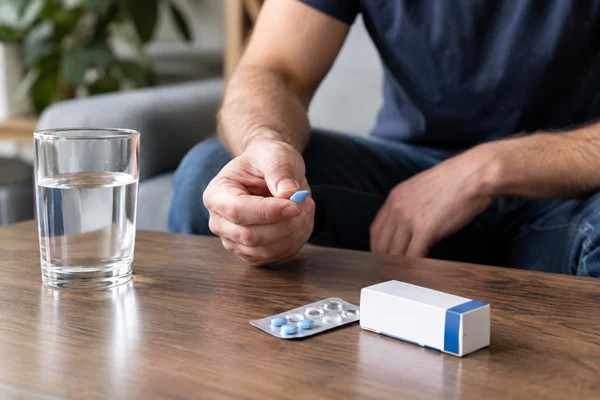
Taking medication for erectile dysfunction (ED) for the first time can come with high expectations. You take the tablet, wait for it to work and expect things to go to plan. When they do not, it is easy to assume the treatment has failed.
However, one unsuccessful attempt does not necessarily mean that erectile dysfunction medication will not work for you.
Medicines such as Viagra, which contains sildenafil, and Cialis, which contains tadalafil, can help men achieve and maintain an erection. Their effectiveness depends on several factors, including how they are taken, the timing, sexual stimulation and individual health circumstances.
If you have tried ED medication and did not get the result you expected, there are several things worth understanding before deciding what to do next.
Why might erectile dysfunction medication not work the first time?
There is rarely one explanation for every unsuccessful attempt. Sometimes the issue is how the medicine was taken. In other cases, anxiety, an underlying health condition or the treatment itself may need further consideration.
1. You may not have allowed enough time for it to work
Different ED medicines have different onset times, so taking a tablet immediately before sexual activity may not give it enough time to work.
Sildenafil, the active ingredient in Viagra, is commonly taken around an hour before sexual activity, although the time it takes to work varies between individuals. Tadalafil, the active ingredient in Cialis, can start working within around 30 minutes for some people.
These are general guidelines rather than guarantees. Always follow the instructions supplied with your specific medicine and the advice of your prescriber or pharmacist.
If you are unsure about the timing of your treatment, check the patient information leaflet before your next attempt.
2. A large meal may have affected the timing
Food can influence how quickly some erectile dysfunction medicines are absorbed.
A heavy meal, particularly one high in fat, can delay the effect of sildenafil. This means that the medicine may take longer to work than you expected.
Tadalafil is less affected by food, which is one reason the instructions for these two treatments differ.
This does not mean you should automatically change your eating habits or take another tablet. Instead, check the instructions for your medicine and consider whether a recent meal may explain the delay.
3. Sexual stimulation is still necessary
ED medication does not automatically produce an erection. Medicines such as sildenafil and tadalafil help improve blood flow to the penis in response to sexual stimulation.
Taking a tablet and waiting for an erection to happen without arousal is unlikely to produce the result you expect.
Allowing time for sexual stimulation and feeling comfortable with your partner can be important parts of the process. The medicine supports the body’s natural response; it does not replace it.
4. Anxiety and pressure may be getting in the way
A previous experience of erectile dysfunction can create a cycle of worry.
You might start thinking about whether the medication will work, whether your partner will notice a problem or whether the same thing will happen again. That pressure can make sexual activity more stressful and may contribute to erection difficulties.
This does not mean that the problem is imaginary. Erections involve both physical and psychological processes, and anxiety can affect the body’s sexual response.
Trying to treat every sexual encounter as a test of whether the medicine works can add unnecessary pressure. If anxiety or relationship concerns are contributing to the problem, speaking to a healthcare professional or qualified psychosexual therapist may help.
5. The dose or treatment may need reviewing
Not every man responds to the same ED medicine in the same way. The dose, tolerability, other medicines and underlying cause of erectile dysfunction can all influence treatment outcomes.
A dose that is appropriate for one person may not be suitable for another. Increasing the dose yourself is not a safe way to find out whether a medicine will work better.
If you have followed the instructions and still experience difficulties, a doctor or pharmacist can review your response and determine whether an adjustment or alternative treatment should be considered.
How many times should you try ED medication before deciding it does not work?
There is no single number of attempts that applies to every medicine and every patient.
One unsuccessful experience may reflect poor timing, a heavy meal, insufficient sexual stimulation or anxiety rather than a lack of response to the treatment itself.
A clinician may recommend trying a prescribed treatment on several separate occasions, following its instructions correctly, before deciding that it has not been effective. The appropriate number of attempts depends on the medicine and your circumstances.
It is important not to interpret this as permission to take extra doses or use the medicine more frequently than directed. If the treatment does not work as expected, ask your prescriber or pharmacist for advice before changing anything.
Keep track of the medicine you took, the prescribed dose, when you took it and any effects or side affects you experienced. This information can make a follow-up discussion more useful.
Should you switch from Viagra to Cialis if Viagra does not work?
Not necessarily, but a different treatment may be worth discussing with a healthcare professional if sildenafil has not worked despite correct use.
Viagra and Cialis both treat erectile dysfunction, but they contain different active ingredients and have different characteristics.
- Viagra (sildenafil) generally provides a shorter period of effectiveness and is commonly taken in advance of sexual activity. Food can delay its absorption.
- Cialis (tadalafil) can remain effective for up to 36 hours. This gives a longer period in which sexual stimulation may lead to an erection, although it does not mean that an erection lasts for that entire time. Food has less effect on its absorption.
Neither medicine is guaranteed to work for everyone, and a longer duration does not automatically make one treatment better than another.
If you are considering an alternative, read our guide to Viagra vs Cialis: What Actually Works Better. It explains how their differences may affect timing and treatment preferences.
The most appropriate option depends on your medical history, other medicines, response to previous treatment and individual needs. Do not take Viagra and Cialis together or switch between them without professional guidance.
What if ED medication works sometimes but not others?
An inconsistent response can be frustrating, particularly if the medicine has worked successfully before.
However, the effectiveness of ED treatment can vary with circumstances. Stress, tiredness, alcohol consumption, food where relevant and the degree of sexual stimulation may all influence the experience.
There may also be a physical explanation. Diabetes, high blood pressure, hormonal problems and certain prescription medicines can contribute to erectile dysfunction.
If you notice that your response has changed, or that erection problems are becoming more frequent, arrange a medical review rather than assuming that the medicine has stopped working.
It is particularly important to seek advice if the problem develops suddenly or occurs alongside other symptoms.
For more information, see our article on the link between heart health and erectile dysfunction. Erectile difficulties can sometimes be associated with cardiovascular risk factors, so persistent symptoms deserve attention rather than being treated solely as a sexual performance issue.
Can you take another tablet if the first one does not work?
No. You should not take an additional dose simply because the first tablet did not produce the expected result.
Taking more than prescribed can increase the risk of side effects, including headache, dizziness, flushing and changes in blood pressure. The risks depend on the medicine, dose and your health.
Sildenafil and tadalafil should not be combined with nitrate medicines used to treat chest pain, such as glyceryl trinitrate (GTN), because the combination can cause a dangerous fall in blood pressure. Other medicines can also interact with ED treatments.
If you have taken more than the prescribed amount, contact NHS 111 for advice. If you experience chest pain, collapse, a severe allergic reaction or another medical emergency, call 999.
An erection that lasts longer than four hours requires immediate medical attention, even if it is not painful.
When should you speak to a doctor about erectile dysfunction?
If ED medication has not worked after you have followed the instructions correctly, a healthcare professional can help identify the next step.
They may review your medical history, current medicines, cardiovascular health and other possible causes of erectile dysfunction. Depending on your symptoms, they may also consider whether further investigations or a different treatment would be appropriate.
Do not delay seeking help if erectile dysfunction is persistent, worsening or begins suddenly. It can sometimes be associated with an underlying health problem that needs treatment.
You should also seek advice if you experience troublesome side effects or are unsure whether your medication is suitable for you.
Choosing ED medication safely
If you are considering treatment for erectile dysfunction, it is important to choose a medicine that is appropriate for your health and circumstances.
Apotheke Direkte provides information about treatments including Viagra and Cialis. Before starting treatment, make sure you complete the required medical assessment and provide accurate information about your health conditions, allergies and other medicines.
Buy medicines only from legitimate, appropriately regulated sources, and follow the directions supplied with your treatment. An online consultation or pharmacy assessment should help establish whether a particular medicine is suitable for you rather than simply identifying a product to purchase.
Erectile dysfunction medication not working: Key takeaways
An unsuccessful first attempt does not automatically mean that ED medication will not work for you.
The timing of the dose, food, sexual stimulation and anxiety can all affect the result. If you have followed the instructions and the medicine still does not work as expected, a healthcare professional can help review your treatment and consider suitable alternatives.
Do not increase your dose, take another tablet or combine ED medicines without medical advice. Most importantly, persistent erectile dysfunction should not be ignored. The right approach is to understand why the treatment has not worked as expected, check that it is safe for you to use and seek advice when necessary.

Comments are closed