


Subtotal €0.00

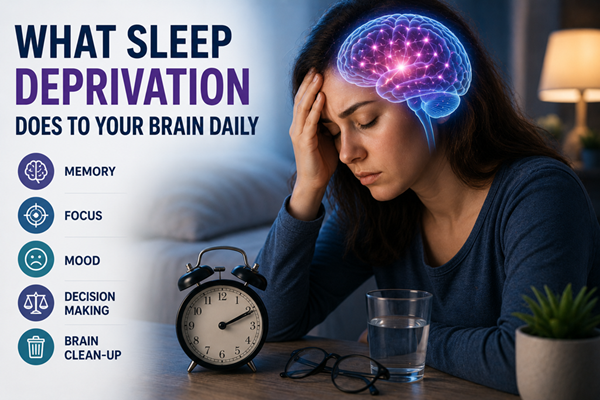
Most people know that poor sleep causes tiredness. What many people do not realise is that sleep deprivation changes how the brain works within hours.
Missing sleep affects memory, mood, concentration, reaction time and decision-making. Over time, it can also increase the risk of serious health conditions including anxiety, depression and dementia.
For many adults, sleep loss has become normal. New UK research found that the average adult only gets good quality sleep three days each week.
Understanding what happens inside the brain during sleep deprivation can help people recognise the warning signs early and improve their long-term health.
What Is Sleep Deprivation?
Sleep deprivation happens when a person does not get enough sleep to allow the brain and body to recover properly.
This can happen after:
- One night of poor sleep
- Several nights of reduced sleep
- Long-term poor sleep habits
- Shift work
- Stress or anxiety
- Excessive screen use before bed
Most adults need around 7 to 9 hours of sleep each night for healthy brain function.
What Happens in the Brain During Sleep?
Sleep is not simply a period of rest. During sleep, the brain stays highly active.
While sleeping, the brain:
- Stores memories
- Clears waste products
- Repairs nerve cells
- Balances hormones
- Processes emotions
- Restores focus and concentration
Without enough sleep, these processes become disrupted.
How Sleep Deprivation Affects the Brain
Memory Becomes Worse
Sleep helps move information from short-term memory into long-term memory.
When sleep is reduced, the brain struggles to store and recall information properly. This can lead to:
- Forgetfulness
- Difficulty learning
- Poor concentration
- Mental confusion
Even one night of poor sleep can reduce attention and reaction times significantly.
Focus and Attention Drop
The brain needs sleep to maintain alertness.
Sleep deprivation slows communication between brain cells, making simple tasks harder. People often notice:
- Slower thinking
- Reduced productivity
- More mistakes
- Difficulty staying focused
Research from the UK found that 44% of adults struggle to concentrate when tired.
Mood Changes Become More Common
Poor sleep directly affects the parts of the brain responsible for emotional control.
After sleep deprivation, people are more likely to experience:
- Irritability
- Stress
- Anxiety
- Low mood
- Emotional outbursts
A recent UK survey found that 38% of adults said poor sleep negatively affected their mental health at least once each week.
Decision-Making Gets Worse
Sleep deprivation affects the frontal lobe, the area responsible for judgement and decision-making.
This can lead to:
- Poor choices
- Increased risk-taking
- Reduced self-control
- Slower reactions
This is one reason why tired driving can be dangerous. Reaction times after severe sleep loss can become similar to those seen after alcohol consumption.
The Brain Struggles to Remove Waste
During deep sleep, the brain activates a cleaning process called the glymphatic system.
This system removes waste proteins and toxins that build up throughout the day.
Without enough sleep, these waste products may remain in the brain for longer. Scientists believe this may contribute to long-term cognitive decline and dementia risk.
Long-Term Effects of Sleep Deprivation
Chronic sleep deprivation can have serious long-term effects on brain health.
Research has linked poor sleep with:
- Depression
- Anxiety disorders
- Reduced cognitive performance
- Increased dementia risk
- Faster brain ageing
One large UK study involving more than 82,000 adults found strong links between poor sleep patterns and dementia risk.
Another study found that inconsistent sleep routines may affect mental health more than sleep duration alone.
Signs That Sleep Deprivation Is Affecting Your Brain
Common warning signs include:
- Brain fog
- Forgetfulness
- Mood swings
- Difficulty concentrating
- Slower thinking
- Frequent headaches
- Feeling emotionally overwhelmed
- Increased caffeine dependence
If these symptoms happen regularly, poor sleep may be affecting daily brain function.
How to Protect Brain Health Through Better Sleep
Improving sleep quality can support memory, concentration and mental wellbeing.
Simple steps include:
Keep a Regular Sleep Schedule
Going to bed and waking up at the same time each day helps regulate the body clock.
Reduce Screen Time Before Bed
Phones and tablets expose the brain to blue light, which can reduce melatonin production.
Limit Caffeine Late in the Day
Caffeine can stay in the body for several hours and interfere with sleep quality.
Create a Cooler Sleep Environment
A cooler bedroom often supports deeper sleep.
Avoid Heavy Meals Before Bed
Large meals late at night may disrupt sleep and digestion.
Speak to a Healthcare Professional if Sleep Problems Continue
Persistent sleep problems may require medical support, especially if symptoms affect daily life.
Final Thoughts
Sleep deprivation affects far more than energy levels. It changes how the brain processes information, regulates emotions and protects long-term health.
Even small improvements in sleep quality can improve focus, memory and mood. Over time, healthy sleep habits may also help protect the brain from cognitive decline.
For adults struggling with on-going sleep problems, seeking professional advice early can make a significant difference.

Comments are closed