


Subtotal €0.00

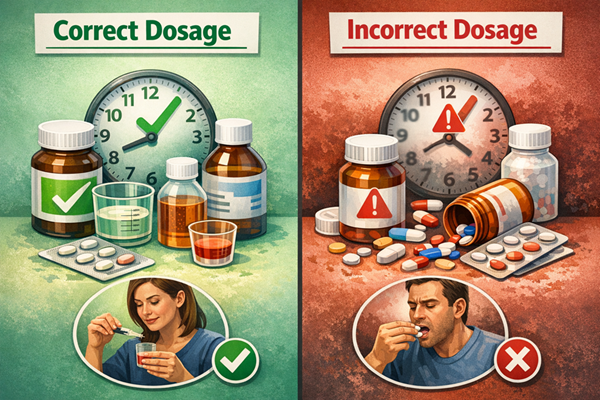
Taking medicine may appear straightforward. A tablet is swallowed, a liquid is measured, and relief is expected to follow. In reality, every medicine is designed to work within a carefully defined dosage range. The amount taken, the timing between doses, and the total duration of treatment all play a role in determining whether a medicine works effectively.
Dosage instructions are not arbitrary guidelines. They are based on clinical testing that identifies the safest and most effective quantity for the body to process. Following these instructions precisely allows the medicine to deliver its intended benefit while minimising unwanted side effects.
Ignoring dosage guidance can change how a medicine behaves in the body. Taking too little may reduce effectiveness, while taking too much may increase the risk of adverse reactions. Pharmacists and healthcare professionals emphasise the importance of dosage accuracy whenever they dispense medicines.
Understanding why it is important to follow dosage instructions helps patients use medicines safely and achieve the intended therapeutic outcome.
1. Dosage instructions are based on medical evidence
Every approved medicine undergoes extensive testing before it reaches pharmacies. Researchers examine how the medicine interacts with the body, how quickly it is absorbed, and how long it remains active in the bloodstream.
Using this data, a safe and effective dosage range is determined. The recommended dose keeps the medicine’s concentration in the body within a therapeutic range. This is the range where the medicine produces its intended effect without creating unnecessary risk.
If the dose falls below this range, the medicine may not provide sufficient benefit. If the dose rises above it, the likelihood of side effects increases.
Following dosage instructions ensures the medicine remains within this carefully calculated range.
2. Incorrect dosing can reduce effectiveness
One of the most common mistakes when taking medicine is stopping early or skipping doses. This behaviour often occurs when symptoms begin to improve and the medicine no longer appears necessary.
However, symptoms improving doesn’t always mean the underlying condition has fully resolved.
Consider the example of antibiotics. These medicines are prescribed to eliminate harmful bacteria. When the full course is not completed, some bacteria may survive. This condition can lead to the infection returning or becoming more difficult to treat.
Even with non-prescription medicines, inconsistent dosing can reduce effectiveness. Pain relief medicines, for example, often require a consistent dosing interval to maintain stable levels in the body.
When doses are missed or delayed, those levels drop, and the medicine may no longer provide adequate relief.
3. Taking more than recommended increases risk
Some people assume that taking an extra dose will speed up recovery or produce stronger results. This assumption can lead to dangerous outcomes.
Medicines are processed by organs such as the liver and kidneys. These organs break down and remove pharmaceutical compounds from the body. Taking too much medicine at once may cause these systems to struggle to process the excess.
Such an imbalance can lead to symptoms such as:
- Nausea or stomach irritation
- Dizziness or fatigue
- Headaches or confusion
- Liver or kidney stress
In severe cases, an overdose can require urgent medical treatment. Even common over-the-counter medicines can cause harm when dosage limits are exceeded.
For this reason, dosage instructions should always be treated as maximum safety boundaries rather than flexible suggestions.
4. Age, body weight, and health conditions influence dosage
Not everyone processes medicines in the same way. Dosage recommendations often take factors such as age, body weight, and existing health conditions into account.
Children, for example, typically receive lower doses because their bodies are smaller and metabolise drugs differently. This is why paediatric drugs frequently include weight-based dosing charts.
Older adults may also require adjusted doses. Changes in metabolism and organ function can influence how medicines are processed.
People with certain medical conditions may require modified dosing as well. Liver or kidney conditions can alter how quickly medicines are broken down or removed from the body.
Pharmacists consider these variables when dispensing medicine. Following the provided instructions ensures the dosage remains appropriate for the individual patient.
Correct dosing vs. incorrect dosing
Understanding the difference between proper dosing and inaccurate dosing can clarify why dosage instructions matter.
Correct dosing typically involves:
- Measuring liquid medicines using the provided measuring device
- Following the recommended time interval between doses
- Completing the full treatment course when prescribed
- Reading the medicine label before each use
Incorrect dosing often includes:
- Estimating quantities rather than measuring them
- Taking doses closer together than instructed
- Doubling a dose after a missed one
- Stopping treatment prematurely
These behaviours may appear minor, yet they can significantly alter how a medicine works in the body, potentially leading to ineffective treatment or increased side effects.
The role of pharmacists in dosage guidance
Pharmacists play an important role in helping patients understand how to take medicines safely. They review prescriptions, explain dosing instructions, and answer questions about timing or potential interactions.
When medicine is dispensed, pharmacists may provide advice such as:
- Whether the medicine should be taken with food
- How long to wait between doses
- What to do if a dose is missed
- Which medicines should not be taken together
These instructions are designed to ensure the medicine works as intended.
If instructions are unclear, asking a pharmacist for clarification is always recommended. Clear understanding helps prevent dosing mistakes.
Why reading medicine labels is essential
Medicine labels contain important information that supports safe use. In addition to dosage guidance, labels often include warnings about interactions, maximum daily doses, and special instructions.
Before taking a medicine, read the label to ensure you are using the correct product and dosage.
Keeping multiple medicines at home makes this particularly important. Packaging can appear similar, and confusion between products can lead to incorrect dosing.
A quick check of the label ensures that the medicine is taken exactly as intended.
Following dosage instructions supports safe treatment
Medicines are powerful tools for managing illness, relieving symptoms, and supporting recovery. Their effectiveness depends not only on the medicine itself but also on how it is used.
Following dosage instructions ensures that medicines remain within their safe and effective range. It helps prevent unnecessary side effects and supports consistent treatment outcomes.
By reading medicine labels carefully, measuring doses accurately, and asking pharmacists for guidance when needed, patients can use medicines with greater confidence and safety.
Respecting dosage instructions increases the likelihood of medicines achieving their intended results.

Comments are closed