


Subtotal €0.00

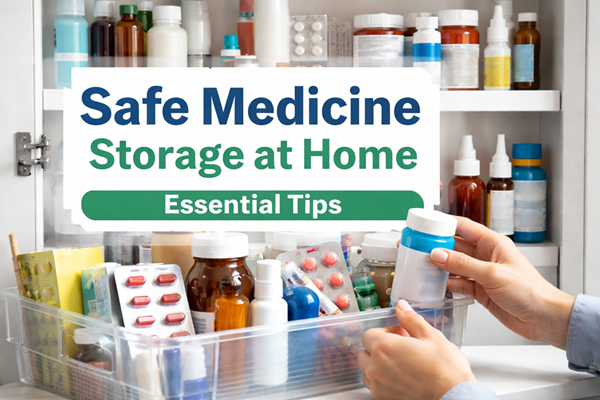
Medicines are designed to work under controlled conditions. Temperature, humidity, light exposure, and storage location can all affect how well a medicine performs. When medicines are stored incorrectly, their effectiveness may decline or they may become unsafe to use.
Many households keep medicines in convenient locations such as bathroom cabinets or kitchen drawers. While these places seem practical, they are often the least suitable environments for storing pharmaceuticals. Moisture, fluctuating temperatures, and direct sunlight can accelerate chemical breakdown in many medicines.
Understanding how to store medicines safely at home helps protect both effectiveness and safety. It also reduces the risk of accidental misuse, especially in homes with children or vulnerable family members.
Pharmacists frequently see problems caused by improper storage. Tablets may lose potency, liquid medicines may degrade, and packaging may become compromised when exposed to the wrong conditions. Adhering to safe storage practices guarantees that medicines function as intended when required.
Why proper medicine storage matters
Medicines contain active ingredients that must remain stable until the expiry date printed on the packaging. Stability means the medicine maintains its intended strength and safety profile.
Improper storage can lead to:
- Reduced effectiveness of the active ingredient
- Faster chemical breakdown of medicines
- Contamination or packaging damage
- Increased risk of accidental ingestion by children
Even small changes in temperature or humidity can affect certain medicines. For example, antibiotics in liquid form may require refrigeration, while other medicines must be kept at a controlled room temperature.
When storage instructions are ignored, there is no guarantee that the medicine will provide the expected therapeutic effect.
What can happen when medicines are stored incorrectly?
Incorrect storage is more common than people realise. Medicines are often left in places that are convenient rather than appropriate.
Bathrooms are a typical example. Steam from showers increases humidity levels, which can affect tablets, capsules, and powders. Kitchens also experience temperature fluctuations caused by cooking and appliances.
A medicine stored in these environments may appear unchanged, yet its chemical stability may already be compromised.
Heat is another major factor. High temperatures can cause certain medicines to break down more quickly. This is particularly relevant during summer months or when medicines are stored near radiators or windows.
Light exposure can also degrade certain medications. Ultraviolet light can alter chemical structures in some pharmaceutical compounds, which is why many medicines are packaged in opaque containers.
Over time, these environmental factors can significantly reduce a medicine’s reliability.
Safe storage practices at home
Creating a safe storage system for medicines does not require complex equipment. The goal is to maintain stable environmental conditions and prevent accidental access.
A few simple practices can greatly improve medicine safety:
- Store medicines in a cool, dry location away from direct sunlight
- Keep medicines in their original packaging so instructions remain visible
- Place medicines in a locked cabinet if children are present
- Avoid storing medicines in bathrooms or kitchens
Keeping medicines in their original packaging is particularly important. Packaging protects the medicine from environmental exposure and contains essential information such as dosage instructions and expiry dates.
Some medicines also include desiccants inside the packaging to control moisture. Removing tablets from their packaging too early can reduce this protective effect.
A common household scenario
Consider a typical family medicine cabinet located above the bathroom sink. The cabinet contains pain relief tablets, allergy medication, cough syrup, and prescription medicines.
Each day, the cabinet is exposed to steam from hot showers. The humidity level rises and falls repeatedly. Over time, moisture can enter packaging or affect tablets that are stored loosely.
The medicines still look normal, so the family continues to use them when needed. However, the effectiveness of the medication may already be reduced.
Now imagine the same medicines stored in a cool hallway cupboard instead. The environment remains stable, with minimal moisture and limited temperature fluctuation. In this setting, the medicines are far more likely to remain effective until their expiry date.
This simple change in storage location can make a meaningful difference in maintaining medicine quality.
Medicines that require special storage
Some medicines have very specific storage requirements. These instructions are usually printed on the packaging or provided by a pharmacist.
Examples include medicines that require refrigeration, which must typically be stored between 2°C and 8°C. Vaccines, insulin, and certain liquid antibiotics often fall into this category.
Other medicines should never be refrigerated because cold temperatures can alter their chemical structure, leading to reduced efficacy or potential harm to the patient. For this reason, it is important to read storage instructions carefully before placing any medicine in the fridge.
If instructions are unclear, a pharmacist can explain the correct storage method.
Keeping medicines out of reach of children
Safe storage also involves preventing accidental access. Children are naturally curious, and brightly coloured tablets or syrups can seem appealing.
A locked medicine cabinet is one of the most effective safety measures. If a lockable cabinet is not available, medicines should be stored on high shelves that children cannot reach.
Child-resistant packaging provides an additional layer of protection, but it should never be relied upon as the only safety measure.
Families should also avoid referring to medicine as sweets when speaking to children. This can unintentionally increase curiosity and the likelihood of accidental ingestion.
Organising medicines at home
Good organisation can make medicine storage safer and easier to manage.
Keeping medicines grouped by type or purpose helps avoid confusion. For example, everyday pain relief products can be stored separately from prescription medicines.
Regularly reviewing stored medicines is also useful. Packaging can be checked for damage, and expired medicines can be removed.
Maintaining an organised storage area ensures that medicines remain easily located while reducing the risk of taking the wrong product.
When to ask a pharmacist for guidance
If there is uncertainty about storage instructions, speaking with a pharmacist is always advisable. Pharmacists understand the stability requirements of different medicines and can provide clear guidance.
For example, they can explain:
- Whether a medicine should be refrigerated
- How long a liquid medicine remains usable after opening
- What environmental conditions to avoid
Pharmacists can also provide advice on safe disposal of medicines that are no longer needed.
Safe storage protects medicine effectiveness
Medicines are carefully manufactured and tested to ensure they remain safe and effective when used correctly. Storage plays an important role in maintaining those standards.
Keeping medicines in a cool, dry environment, away from light and moisture, helps preserve their stability. Proper storage also reduces the risk of accidental misuse within the household. For anyone managing medicines at home, small adjustments to storage habits can make a meaningful difference. By following safe storage practices and seeking advice when needed, households can ensure that medicines remain reliable when they are required most.

Comments are closed